Where Families Can Turn for Financial Assistance on Food, Housing, and Utilities
Sarah White
4 min read
Benefits & Assistance

With rising costs across multiple aspects of American life, finding resources to help bring down out-of-pocket expenses for low-income households can be a necessary step towards financial recovery and freedom.
First, let’s discuss SNAP (Supplemental Nutrition Assistance Program). The SNAP program is designed for U.S. citizens who are low income and struggle to afford food products. The SNAP program eligibility guidelines vary from state to state. These eligibility guidelines are based on household income (Gross and Net), countable assets, household members, employment or student status, and citizenship.
For the household income portion, the gross monthly income has to be 130% of the poverty line. An example of this from the USDA for a family of 3 would be $2,888 per month before taxes. Total countable assets such as cash or money in bank accounts are $3,000 for the household. Vehicles are also considered a countable asset if certain requirements for the vehicle are not met. These requirements are listed on the USDA website.
With rising costs across multiple aspects of American life, finding resources to help bring down out-of-pocket expenses for low-income households can be a necessary step towards financial recovery and freedom.
First, let’s discuss SNAP (Supplemental Nutrition Assistance Program). The SNAP program is designed for U.S. citizens who are low income and struggle to afford food products. The SNAP program eligibility guidelines vary from state to state. These eligibility guidelines are based on household income (Gross and Net), countable assets, household members, employment or student status, and citizenship.
For the household income portion, the gross monthly income has to be 130% of the poverty line. An example of this from the USDA for a family of 3 would be $2,888 per month before taxes. Total countable assets such as cash or money in bank accounts are $3,000 for the household. Vehicles are also considered a countable asset if certain requirements for the vehicle are not met. These requirements are listed on the USDA website.
For the household income portion, the gross monthly income has to be 130% of the poverty line. An example of this from the USDA for a family of 3 would be $2,888 per month before taxes.
For the household income portion, the gross monthly income has to be 130% of the poverty line. An example of this from the USDA for a family of 3 would be $2,888 per month before taxes.
The WIC is a different nutrition assistance program for pregnant and postpartum women with children under 5 years old. WIC provides healthy foods, nutrition education, breastfeeding support, and referrals to other resources. WIC eligibility is based on pregnancy or children up to 5 years old in your care, income, and a nutrition assessment performed by WIC staff. The income requirements for WIC vary from state to state.
Finding affordable housing is a struggle for many Americans. Programs like Section 8 are an option for low-income or struggling U.S. families. Section 8 is a rental assistance program that gives applicants a voucher that provides individual, safe housing and pays for a portion or all of the rent. Section 8 eligibility guidelines are for low-income families, seniors, or people with disabilities. Other eligibility guidelines are gross monthly income, household size, and citizenship status. Income status also varies between states due to cost-of-living differences.
A utility bill assistance program is the Low Income Home Energy Assistance Program, which can help you pay for your heating or cooling bills and, depending on the state you live in, can help with electric bills as well. This program eligibility requirement is based on income; however, every state has its own requirements. Contact your local LIHEAP office to find out if you are eligible.
The Temporary Assistance for Needy Families program is another option for low-income families. This program is a grant individual states receive to operate a state-run program to provide economic relief to low-income families needing help with utility bills, food, clothing, and child care. Each state runs its program differently and often goes by a different name. Finding your local state program and applying for the benefits they provide can help ease the financial strain many people are feeling.
The WIC is a different nutrition assistance program for pregnant and postpartum women with children under 5 years old. WIC provides healthy foods, nutrition education, breastfeeding support, and referrals to other resources. WIC eligibility is based on pregnancy or children up to 5 years old in your care, income, and a nutrition assessment performed by WIC staff. The income requirements for WIC vary from state to state.
Finding affordable housing is a struggle for many Americans. Programs like Section 8 are an option for low-income or struggling U.S. families. Section 8 is a rental assistance program that gives applicants a voucher that provides individual, safe housing and pays for a portion or all of the rent. Section 8 eligibility guidelines are for low-income families, seniors, or people with disabilities. Other eligibility guidelines are gross monthly income, household size, and citizenship status. Income status also varies between states due to cost-of-living differences.
A utility bill assistance program is the Low Income Home Energy Assistance Program, which can help you pay for your heating or cooling bills and, depending on the state you live in, can help with electric bills as well. This program eligibility requirement is based on income; however, every state has its own requirements. Contact your local LIHEAP office to find out if you are eligible.
The Temporary Assistance for Needy Families program is another option for low-income families. This program is a grant individual states receive to operate a state-run program to provide economic relief to low-income families needing help with utility bills, food, clothing, and child care. Each state runs its program differently and often goes by a different name. Finding your local state program and applying for the benefits they provide can help ease the financial strain many people are feeling.

Conclusion
These are a few of the many Federal and State programs that can help families who need help paying for everyday essentials. Contacting your local aid offices and making sure you and your family are eligible for these programs is key, because many states have different requirements. Taking advantage of these programs to help your family save money and provide food, shelter, clothing, child care, and so many other resources available to Americans is the first of many steps in financial recovery and eventual prosperity for families across the country.
Blogs
Check Out Other Articles
Discover how our powerful tools make managing money simpler, faster, and smarter.
Blogs
Check Out Other Articles
Discover how our powerful tools make managing money simpler, faster, and smarter.
Blogs
Check Out Other Articles
Discover how our powerful tools make managing money simpler, faster, and smarter.



Build a Stronger Future for Your Family
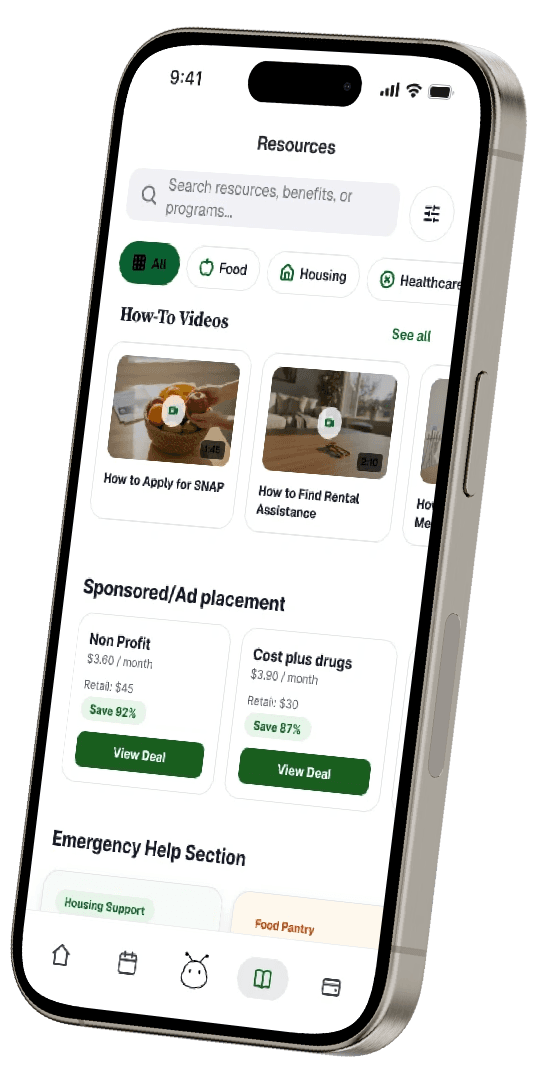
Help The Hive brings practical support into one simple platform helping households make confident decisions today while building greater stability for tomorrow.
Free to Use
Built for Real Households
Helpful Resources in One Place

Build a Stronger Future for Your Family
Help The Hive brings practical support into one simple platform helping households make confident decisions today while building greater stability for tomorrow.
Build a Stronger Future for Your Family
Help The Hive brings practical support into one simple platform helping households make confident decisions today while building greater stability for tomorrow.